This week marks 50 years since the Department of Veterans’ Affairs (DVA) was established. To reflect, we’re sharing stories from the veteran community.
Vietnam veteran Ken Robinson’s journey with DVA has spanned decades and tells a story of our evolution. It illustrates our move from focusing on repatriation and compensation to delivering more holistic support, particularly in the mental health and rehabilitation spaces.
Ken has been an advocate for mental health treatment since 1982. As Vice President of the Vietnam Veterans Association of Victoria, he was involved in early discussions with the Australian Government’s fledgling Vietnam Veterans Counselling Service (VVCS). During this time, DVA was expanding support for Vietnam veterans and their families through legislation changes.
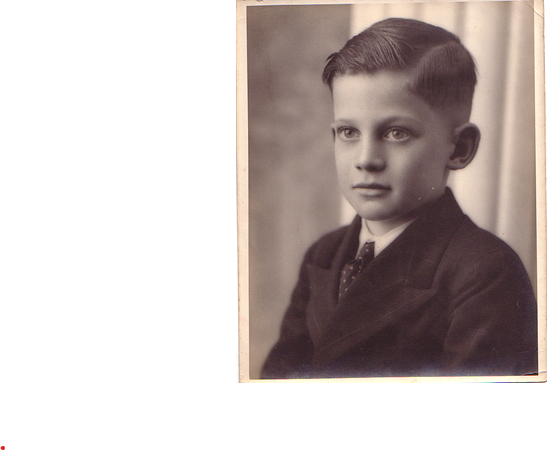
He championed the VVCS despite initial resistance from the community.
'At the time we didn't have a great relationship with DVA and nearly everybody didn't want anything to do with it… I like to think I may have helped get it started.'
In 2018, VVCS became the Open Arms - Veterans and Families Counselling service. Looking back, Ken says access to counselling and support played a vital role in helping him navigate some of life’s toughest challenges:
‘Having the support of counselling gave me the will to survive the difficult times that I was going through, for which I am extremely grateful.’
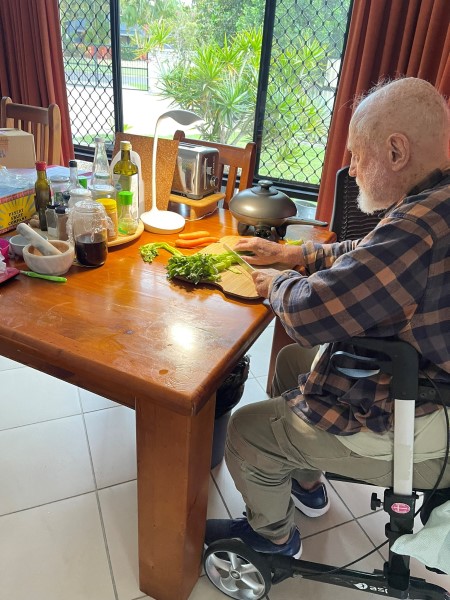
Since we last spoke to Ken in 2025, he’s been working on a research project called Living Alone. This report explores how gardening and music can work together to alleviate the symptoms of PTSD.
‘While it is not a cure it can distract a person from their personal everyday problems including depression.
‘I am happy doing something to help others less fortunate than I am, by passing on my ways of coping with past experiences that keep appearing at regular intervals, no matter how I try not to remember them.’
Ken currently receives support through the Rehabilitation Appliances Program (RAP), which he says has improved many aspects of his life.
‘Having a special bed and mattress really assists me with good sleep as I have chronic osteoarthritis, and my supplied wheelie walker allows me to move around and exercise by walking and doing shopping.
‘Having a very comfortable recliner chair can relieve fatigue and my indoor clothesline makes doing my clothes washing much easier.’
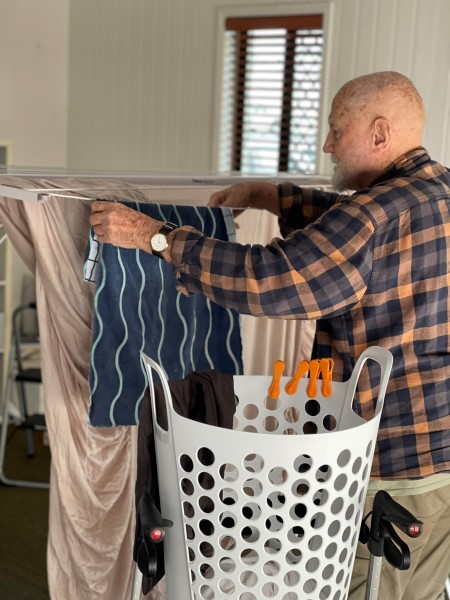
Established in the early 1990s, the RAP program provides veterans with equipment to live safely and independently. Its introduction represents DVA’s shift towards meeting the rehabilitative needs of an ageing population of veterans.
Asked what advice he would give to other veterans who need support, Ken said:
‘Don't delay if you need help. Contact DVA and find out how to apply for assistance, while it may take time it’s well worth the wait.’
While the services and support available to veterans have evolved significantly over the past 50 years, Ken’s story is a reminder that DVA’s purpose remains the same: supporting veterans and families of veterans with care, respect and commitment.
Find out more:
-
visit the RAP page.
-
visit the Care at home and aged care services page
-
read more about our history
-
check out the other stories in the Stories of Support series, including a feature on Psychiatric Assistance Dog Program recipient, Edward Lopez.