As DVA marks 50 years of supporting veterans and families, we're sharing stories that reflect how veteran care has evolved. For Navy veteran Edward Lopez, support came through an unlikely teammate: Poppy. Poppy is a psychiatric assistance dog who has helped him regain confidence, independence and connection with the world around him.
Edward first joined the Army Reserve as a teenager before later transferring to the Royal Australian Navy. His service was rewarding, but it also came at a cost. Years later, Edward found himself managing significant physical injuries and the impacts of post-traumatic stress disorder (PTSD).
Like many veterans, Edward found the transition from service challenging. Managing physical injuries alongside PTSD, he gradually withdrew from activities and connections that had once been part of everyday life.
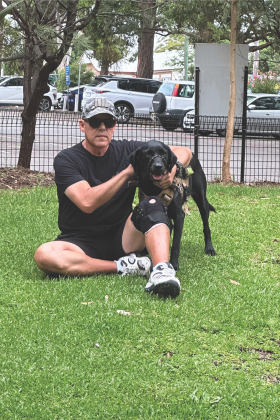
'I was snappy, I was moody, and I didn't know about DVA,' he said.
It wasn't until fellow veterans encouraged him to seek help that Edward connected with DVA and began accessing mental health treatment. That connection became an important turning point in his recovery journey and eventually led him to DVA's Psychiatric Assistance Dog Program, which supports eligible veterans living with PTSD to achieve their recovery goals and improve their wellbeing.
'There’s a lot of training involved. It's demanding, repetitive and takes commitment, but it's important,' he said.
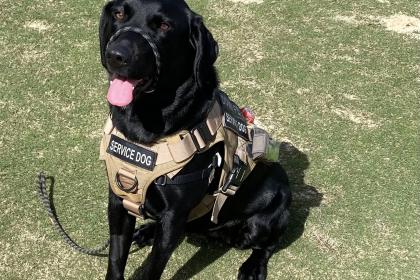
In 2024, Edward was matched with Poppy, a black Labrador specially trained to support veterans living with accepted mental health conditions.
'To me, she's another buddy standing beside me,' he said.
For Edward, recovery wasn't only about managing symptoms. It was about rebuilding confidence, reconnecting with the community and feeling able to participate in everyday life again.
'I go out in public more,' he said.
'I attend more psychology and psychiatry appointments. I drive myself to appointments now.'
'I know I've got someone beside me. If things become too much, I can always leave. Having that support makes a real difference.'
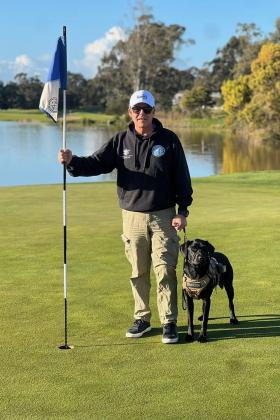
Poppy is trained to recognise signs of distress and respond when Edward needs support. If he experiences a panic response in public, she can guide him to a quieter space and remain close until he's ready to continue.
'She’ll just keep nudging me to make sure I’m okay,' Edward said.
'If I'm having a fit of convulsion or something like that… she'll stop that. She'll scoop under me, under my head, and I'll use her as a pillow.'
Caring for Poppy has also become an important part of Edward's recovery journey, providing him with routine and responsibility as well as daily companionship.
'You've got to be committed,' he said.
Thanks to that routine, he has reconnected with the community around him.
'My mate said 'you've got this little smile on your face all the time',' Edward recalled.
Edward now advocates for greater understanding of assistance dogs. He regularly speaks with hospital staff, community groups and fellow veterans to help improve awareness and understanding.
Edward's story reflects how veteran support has evolved over the past 50 years. While compensation and healthcare remain important, today's support can also include rehabilitation, mental health services and innovative programs designed to help veterans live fulfilling and connected lives.
What remains constant is our commitment to helping veterans and the families of veterans access the support they need to live healthy, connected and meaningful lives.
'Because of DVA, I have a beautiful home and a beautiful partner,' Edward said.
'I'm fortunate for everything I have. A medical aid like Poppy has been absolutely life changing.'
Find out more:
-
Visit our Psychiatric Dog Assistance Program page
-
Visit our Mental Wellbeing page