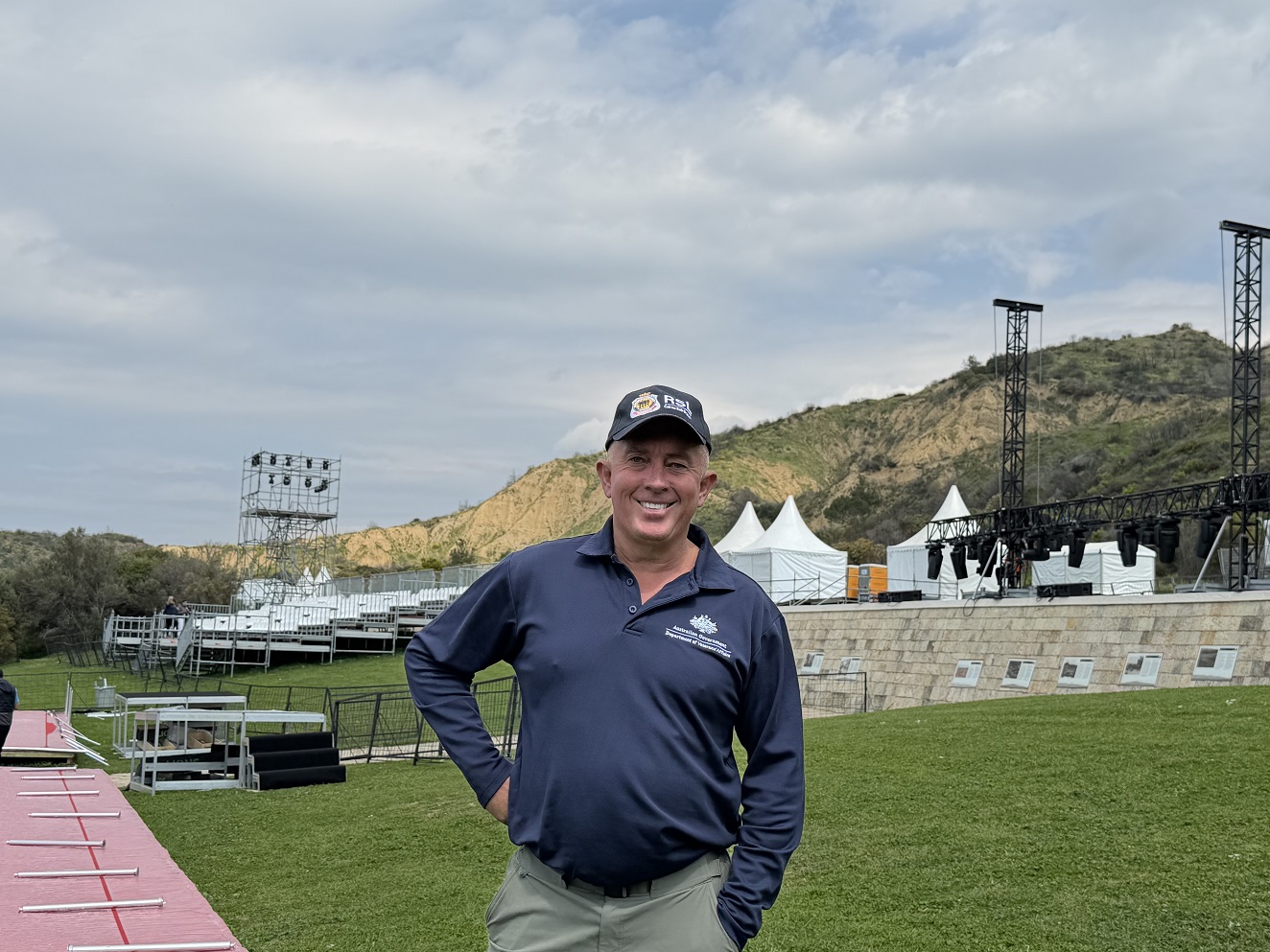
Volunteering veterans continue a life of service
Volunteering offers a powerful way to stay connected, support communities and build a renewed sense of purpose.
Colleen – from Army hospitals to op shops
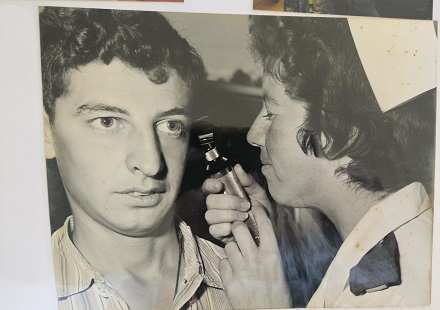
When Colleen enlisted as an Army nurse in 1976, she could not have known service would become a defining thread running through her life. She had already begun her nursing career in local hospitals before joining the Army. Over 9 years of service she found not only purpose, but lifelong friendships.
‘Serving one’s country is very humbling,’ she says. ‘For a girl from a small Queensland town, it was a wonderful way to see Australia. But it’s the friendships you make – they last a lifetime.’
Today, that same spirit of service continues in a quieter, but no less meaningful way. Colleen now volunteers at a charity opportunity shop in Hervey Bay, where she helps sort donations that support local causes. ‘It’s about service,’ Colleen says. ‘In the Army we served our country. Volunteering is a continuation of that, but on a local level – it’s about serving the local community.'
Colleen first stepped into volunteering during a difficult period in her life. After the loss of her partner, a Navy veteran, she found herself with time and a sense of emptiness. ‘Losing my partner left me with too much time on my hands,’ she says.
Living opposite the local op shop, Treasure Trove, she walked across the road one day and asked to volunteer. Their response was immediate: ‘When I mentioned my military background, they were impressed. I was accepted immediately.’
That first step was simple, but the impact has been lasting.
Inside the shop, there’s a sense of warmth and energy. Music – usually 60s and 70s rock and roll – plays in the background as volunteers work through bags and boxes of donations. ‘It really is a treasure trove,’ Colleen says. ‘You never know what you’ll find.’
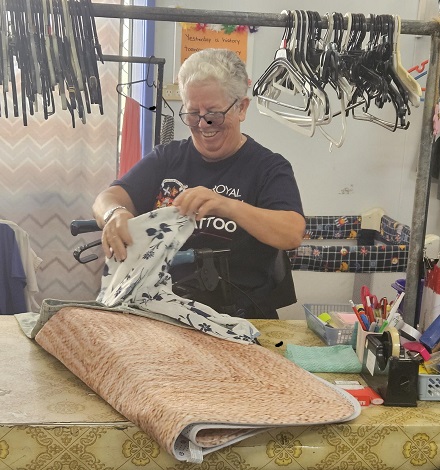
When COVID-19 forced the shop to close in early 2020, Colleen, like many Australians, struggled with the sudden isolation. When the doors reopened later that year, returning to volunteering brought something important back: ‘Sanity returned’ – she recalls – ‘helping my local community is so rewarding.’
For Colleen, volunteering is not just about giving back – it’s about staying connected and maintaining wellbeing. ‘Keeping an active social life is essential for physical and mental health,’ she says. ‘Instead of sitting around, volunteering keeps your body and mind active.’
Colleen sees clear parallels between her time in uniform and her life now: ‘The camaraderie of volunteers is similar to Army service. From serving your country to serving your community, it’s very rewarding.’
Her advice to others, especially veterans who may be feeling isolated, is simple: ‘Give it a go. Whether it’s an op shop, an animal shelter, or teaching kids to read, there are so many options. It rewards the charity, but it benefits the volunteer even more. ‘I now can’t imagine not volunteering.’
Nathan – sailing into community leadership
Nathan, a Navy veteran, was one of the volunteers selected to support DVA’s delivery of Anzac Day services in Gallipoli, Türkiye, this year. (See article on page 27 of this newspaper.) One of the reasons Nathan was chosen was the active and important role he plays supporting his local veteran community through volunteering and leadership.
After recognising both the strengths and challenges within RSL organisations, Nathan was compelled to take on the role as President of the Cairns RSL Sub-branch. In this role, Nathan is working to improve accessibility for veterans, increase visibility within the broader community, and create pathways that make it easier and more relevant for younger veterans to connect, participate and feel a sense of belonging.
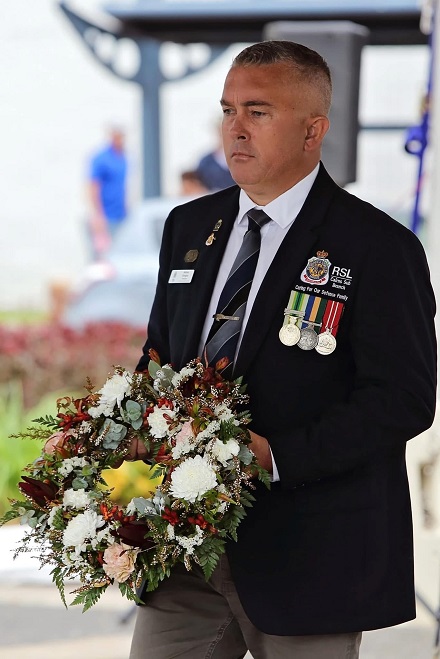
Reflecting on what inspires him to volunteer, Nathan said: ‘At the heart of it, my motivation has always been service, giving back to those who served, ensuring their contribution is recognised, and helping build an organisation that remains strong, relevant and inclusive for the next generation of veterans.’
Nathan is supporting veterans through advocacy and connection and has focused on building an internal culture where effort, initiative, and service are recognised and rewarded. ‘Many veterans transition out of service carrying a strong sense of identity, purpose and camaraderie,’ he says. ‘And when that structure changes, the support they receive from community organisations, like RSL sub-branches, can make a real difference.’
Reflecting on the impact of volunteering, Nathan said that some of the most rewarding moments come from the simple things: ‘Walking the Cairns Esplanade with members, sharing breakfast, and listening to stories… Many veterans carry experiences they don’t often speak about, and providing a space where they can share those stories, if and when they choose, is incredibly important.
‘I would encourage people to understand that volunteering is not one way,’ Nathan says. ‘While you are there to support others, you often gain a deeper appreciation for service, resilience and perspective that stays with you long term. You hear stories, share moments and build connections that are genuinely meaningful. Ultimately, if you’re considering getting involved, start small, attend an event, help at a function, have a conversation.’
For some veterans, volunteering is one of the ways they continue to serve – sharing skills, values and experience from the ADF, and making a positive contribution to their communities beyond the uniform. For more information about volunteering and how it is considered if you are receiving a DVA payment, visit the DVA website.