Veterans’ and Families’ Hubs network grows throughout Australia
The Veterans’ and Families’ Hubs Program continues to reach more veterans and families of veterans across the country. The Hubs national network is making it easier to find support, connect with the local community and access a range of practical services closer to home.
The Hubs program was established to improve access to services that support health, wellbeing, housing, employment, social connection and economic security for veterans and families of veterans. As Minister for Veterans’ Affairs Matt Keogh said: ‘The Hubs make a real difference to the wellbeing of current and former serving veterans, which is why we are expanding the network.’
In 2019, the Australian Government first committed $30 million to establish 6 Hubs, which laid the foundation for a national approach to coordinated, wrap-around support. In 2021, a further $10 million was committed to expand the network into Southeast Queensland and Tasmania. This was followed by another $2.5 million to strengthen Tasmanian services, including a new Hub in Burnie and upgrades to the Launceston RSL.
The 2022–23 Federal Budget provided a further $46.7 million for 8 more Hubs across Australia, and again in 2025 a further $5 million was committed for the Bendigo Hub.
An evolving national network
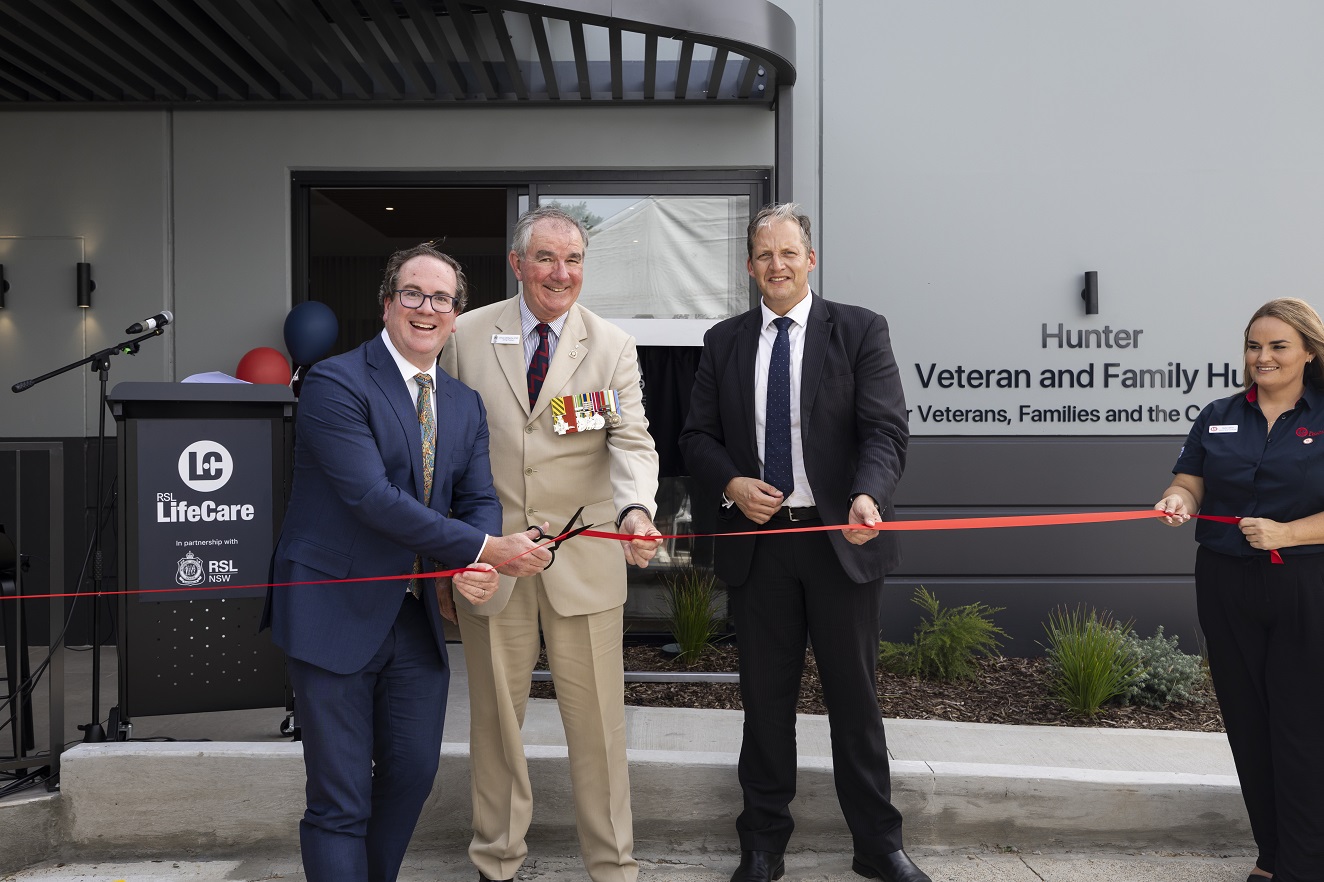
The program reached a major milestone in March 2026 with the opening of the Hunter region Hub in Maitland. Delivered by RSL LifeCare, in partnership with RSL NSW (and other ex-service organisations), it improves access to support for more than 22,000 veterans and families of veterans across the region.
Located near key Defence sites including the Singleton Military Area, Bullecourt Barracks and RAAF Base Williamtown, the Hub is operating through a “hub-and-spoke” model (main Hubs bolstered by other local sites operating as touch-points for support). This helps increase veterans’ access to services, wellbeing programs and social connection activities across the Hunter region.
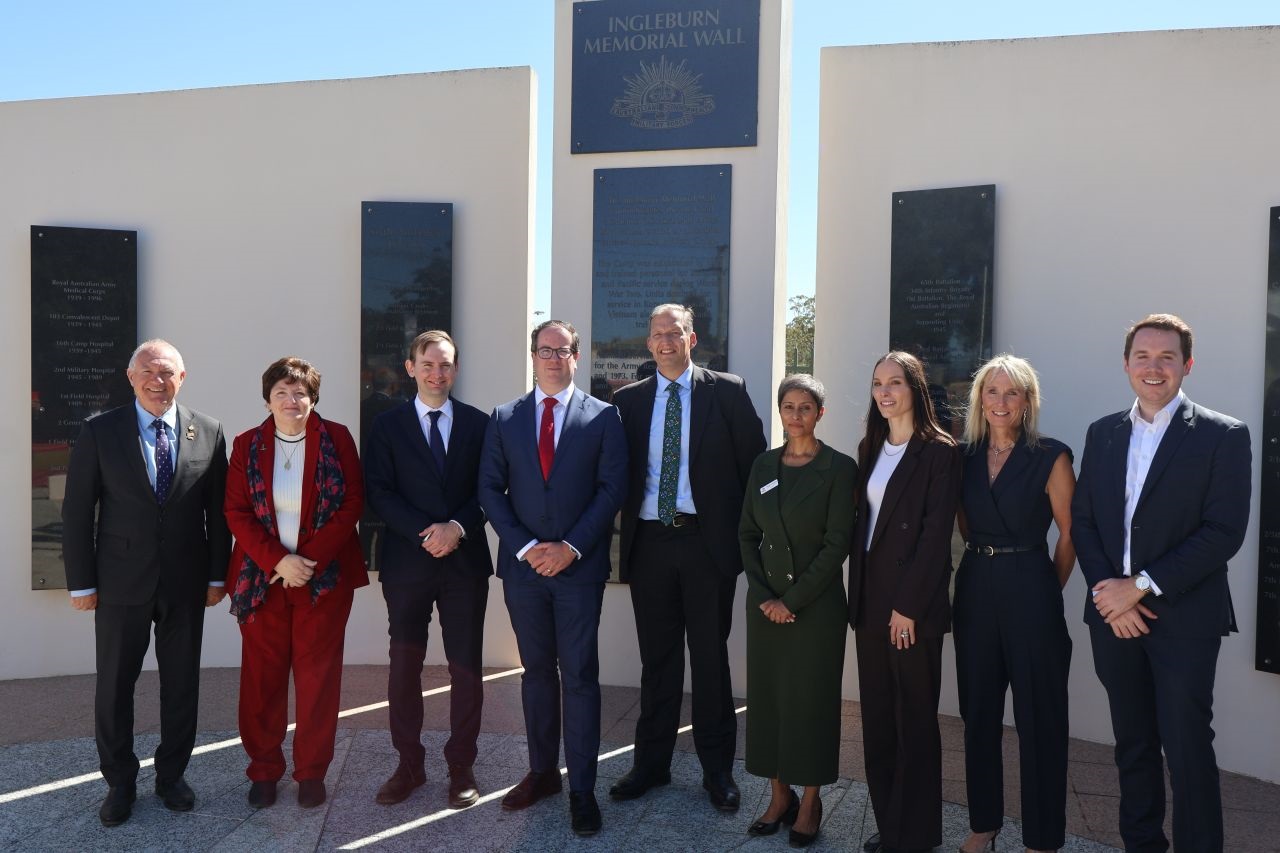
Another major development is underway in Greater Sydney. RSL LifeCare, in partnership with RSL NSW, are working to deliver a Hub in the Hawkesbury region, interlinked with a Hub at Bardia Barracks in Ingleburn.
Together, the 2 locations are expected to support around 19,200 veterans and families of veterans across Greater Sydney’s southwestern corridor, including 11,500 in Greater Western Sydney and 7,700 in the Hawkesbury region.
Bardia Barracks has a long and proud military history. Built in 1940 as part of the Ingleburn Army Camp, the site was home to thousands of Australian soldiers undergoing training during the Second World War. Bardia Barracks remained in use until the 1990s, with soldiers who served in the Korean and Vietnam Wars, National Service Schemes and the Army Reserves training and bunking on the grounds. Repurposing the barracks as a Veterans’ and Families’ Hub will ensure their legacy endures, while transforming the precinct into a welcoming, contemporary space for the veteran community.
The Bardia Barracks Hub is a strong example of what we can achieve when the Australian and NSW Governments work hand-in-hand with organisations like RSL LifeCare, RSL NSW and our local sub-branches to wrap practical support around veterans and their families.
- RSL LifeCare Chief Executive Officer Drew PIerece
Hubs supporting communities across Australia
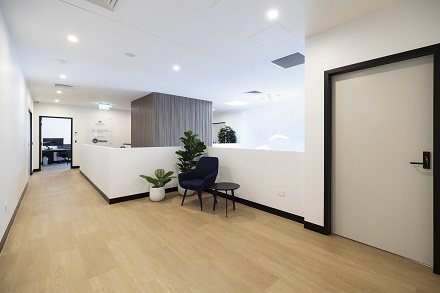
There are now 11 Veterans’ and Families’ Hubs operating nationally, providing a mix of in-person and outreach services tailored to local community needs. These include:
- Adelaide (SA) – SA Government
- Burnie (TAS) – North West Tasmanian Veteran Welfare Board
- Caboolture (QLD) – Lives Lived Well
- Darwin (NT) – Mates4Mates
- Hunter (Maitland, NSW) – RSL LifeCare
- Queanbeyan (NSW) – RSL LifeCare
- Northern Adelaide (SA) – Lives Lived Well
- Nowra (NSW) – RSL LifeCare
- Perth (WA) – RSL WA
- Wodonga (VIC) – RSL Victoria
- Tasmania (state-wide hub-and-spoke model) – RSL Tasmania
While the service offerings of Hubs may differ depending on local needs, together they offer or provide access to a wide range of services, including primary health care, mental health care, employment assistance, housing advice, legal and financial services, and opportunities to members of the veteran community to connect with each other.
And more Hubs are on the way, with upcoming locations at:
- Hawkesbury region and Ingleburn (NSW) – RSL LifeCare
- Tweed/North Coast (NSW) – RSL LifeCare
- Ipswich (QLD) – RSL Queensland
- Surf Coast/Geelong (VIC) – RSL Victoria
- Southwest Perth (WA) – RSL WA
- Bendigo (VIC) – TBC
Strengthening support through partnership
The continued rollout of the Veterans’ and Families’ Hubs network ref lects strong collaborat ion between government, ex-service organisations, business and local communities.
In addition, Hubs are working directly with the newly established Veteran and Family Wellbeing Agency to ensure veterans and families of veterans get access to the support they need, no matter where they are located across the country.
Through these partnerships, we’re building an interconnected system of care for veterans and families of veterans across the country. Shaped by local needs, the Hubs take a flexible, relationship-based approach and offer welcoming places where trust, connection and practical support can grow.
As the program continues to develop, not only is it making access to services easier, it’s helping veterans and families of veterans feel more connected, less isolated and better supported by building stronger ties to the community.
For more information about the Veterans’ and Families’ Hubs, visit www.dva.gov.au/vfhubs.