Study to gauge effects of blast exposure
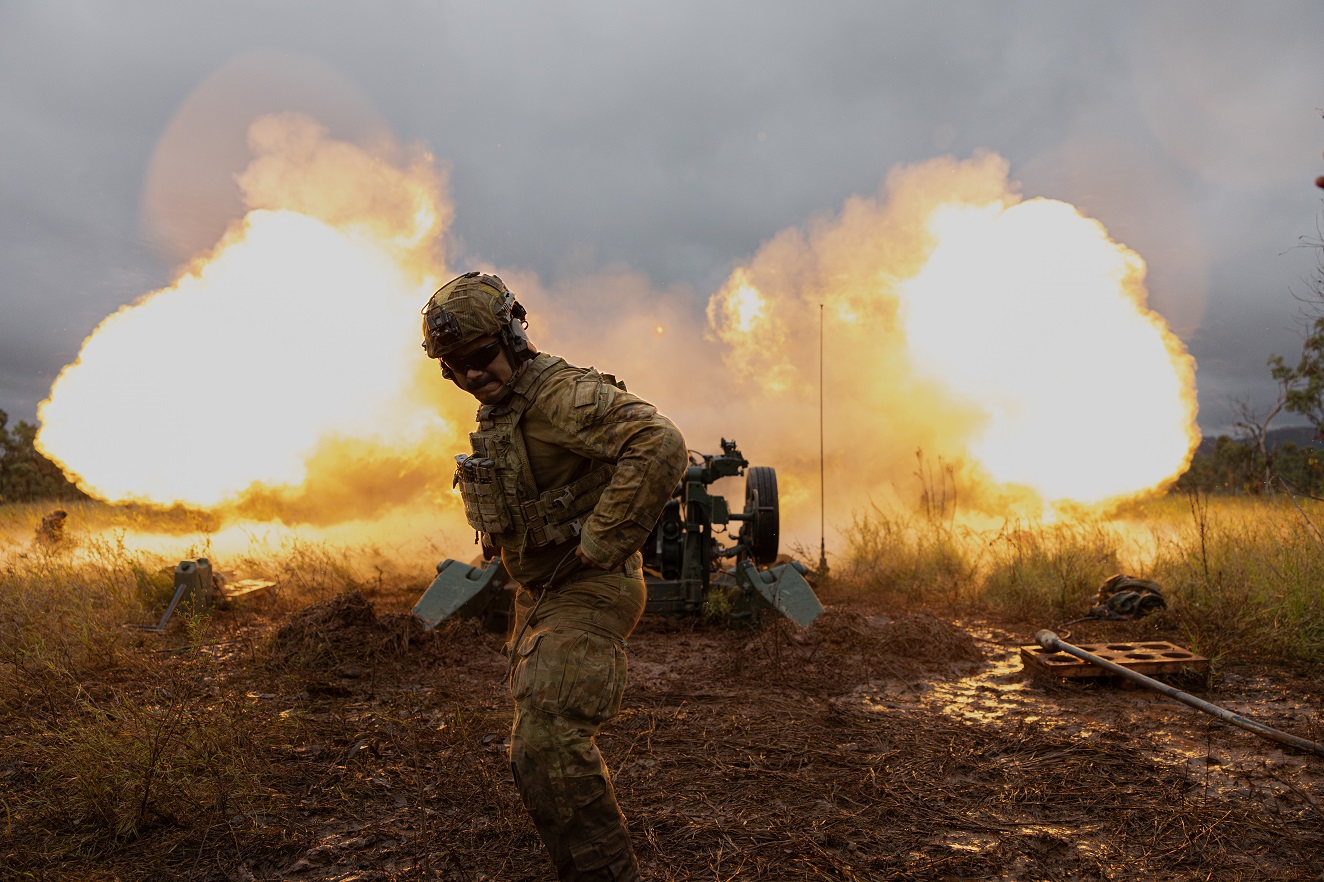
An infantryman turned neurologist is leading a major Army study into how repeated low-level blast exposure may affect soldiers’ long-term cognitive function.
Lieutenant Colonel Antony Sutherland joined Army in 2001 as a rifleman before later serving as a reserve medic while completing medical school. He is now the lead clinician for the Phase 2 Blast Overpressure Monitoring Project, which began in February 2026.
‘The study is designed to help Army better understand the cumulative effects of low-level blast across a soldier’s career,’ Lieutenant Colonel Sutherland said. ‘While high-level blast effects from events such as improvised explosive devices are well documented internationally, far less is known about the long-term impacts of repeated low-level exposures common in training environments.’
Phase 2 will follow soldiers through a posting cycle, collecting structured sensor, cognitive and medical data that will inform a broader multi-year program to understand lifetime exposure patterns. So far, 101 soldiers from the 3rd Battalion, Royal Australian Regiment; 4th Regiment, Royal Australian Artillery; the School of Infantry; and the School of Artillery have joined the study, with numbers expected to grow to 400 by the end of 2027.
Blast sensors mounted on helmets and body armour record exposures. Data collected will be paired with regular cognitive assessments, symptom reports and blood-based biomarkers throughout the posting. The likely outcomes include adjustments to the allowable number of rounds fired during training, active recovery actions between exposures, and improved understanding of links between exposure and symptoms.
Lieutenant Colonel Sutherland said it was Army’s duty to understand the effects and update training to reduce low-level blast exposure ‘so far as reasonably practicable’.
‘There is an important balance here’ he said. ‘We don’t want to stop using these weapon systems or reduce competency in applying them. You don’t want someone to fire an 84mm for the first time in combat. But if we can modify the training to lower those exposures, while maintaining weapon proficiency and competency, then that’s something we should try and get after.’
The Land Engineering Agency is also examining the blast and acoustic profiles of weapon systems to support improved training design and safer range practices. The study will expand the academic body of knowledge and strengthen links to NATO and Five Eyes research programs. This research forms part of the broader Army work into brain health under Recommendation 61 of the Royal Commission into Defence and Veteran Suicide.
Read the full story on Defence News.