Psychological wounds of war cannot be buried in the sand

Kahlil Fegan DSC AM
Repatriation Commissioner
As the years progress, memories can quietly fade into the "sands of time", but some are simply too important to dissipate, for there is still much to learn. Our experiences in Afghanistan – those that fundamentally shaped a generation of Australian soldiers – are such memories.
Reflecting on my experience while Commanding Officer of the 8th/9th Battalion and Mentoring Task Force Four in 2012, I have pondered what I learned from my time in Afghanistan, especially about the impact of the deployment on our men and women, all of whom returned changed in one way or another.
I now realise the psychological challenges associated with our tour started well before we left Australia. Over 14 months of deep, mission-specific training and preparation, we became acutely attuned to every aspect of the conflict. It was an exciting but extremely busy period characterised by long periods away from family and friends, who were at times neglected. Some were left behind as we sped along the “road to war”, and unfortunately some relationships became our first casualties.
It was a stressful time; many soldiers were desperate to be selected for the deployment and worked incredibly hard to make the team. Those soldiers, and there were many, who didn’t make it due to manning caps, injury or training deficiencies – were heartbroken. Regardless of how much we invested in them, feelings of failure or being ostracised were evident. A few soon ended their military careers with perceptions of failure. In some ways, the psychological impact of Afghanistan could mean as much for them as for those who deployed, yet they have no medals to show for it.
For those selected, each time we learned of another soldier seriously injured or killed, what we were preparing for became increasingly real. The updating of wills and the writing of letters to family that you hoped they’d never have to read certainly took an emotional toll. When we assumed from our predecessors, who had 4 soldiers killed in action, the responsibility for Australia’s largest physical combat contribution to the War on Terror, it rested heavily on our shoulders.
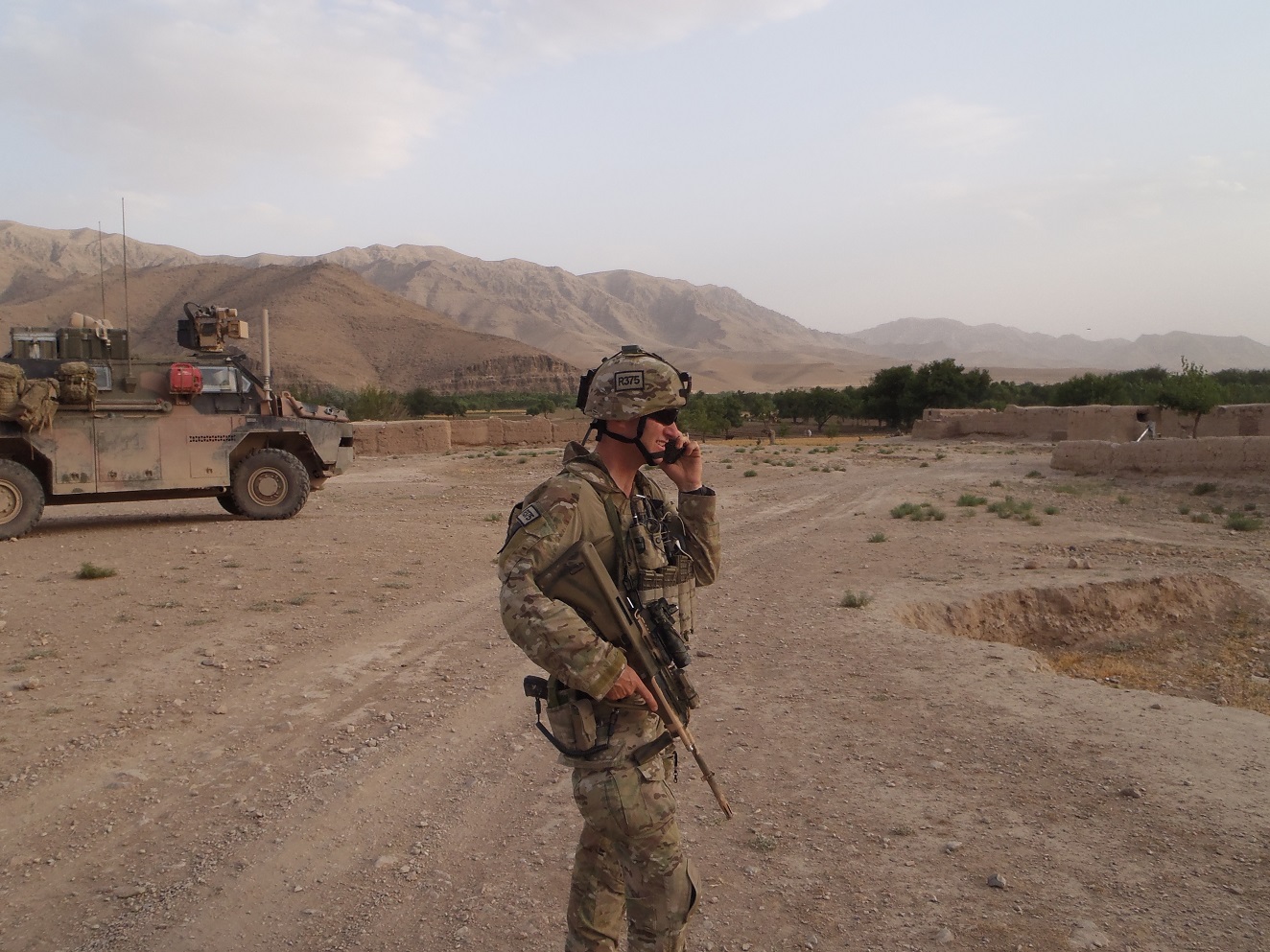
We deployed into a bitter winter but soon the cold and snow would be replaced with heat and dust. Our soldiers would operate with the Afghan Army from mostly remote and often exceptionally austere patrol bases in the mountains and valleys of Uruzgan Province.
The sensitivity of the operational environment became evident early in the tour when a couple of US soldiers inadvertently threw a copy of the Koran into a fire pit. The resulting protests, injuries and deaths necessitated additional force protection and lock-downs.
Throughout the tour the dangers our men and women faced were numerous and unpredictable. They included the prevalent, cowardly and indiscriminate improvised explosive device; the very real threat of being murdered by an Afghan soldier with whom we lived, mentored and indeed risked our lives for; numerous fire fights with the enemy resulting in the death of insurgents and injuries to our soldiers; rocket and mortar attacks; and civilian casualties including the death and injury of women and children.
There were 2 suicide bomber attacks, including a child suicide bomber, resulting in deaths and mass casualties. A number of Afghan soldiers operating with us were killed, and as relationships strengthened so did the impact of each of these deaths.
Six months after we took over, we quietly handed over to our replacements from 3rd Battalion the Royal Australian Regiment. When the last of our people safely touched down in Brisbane, my Regimental Sergeant Major, Ian D’Arcy, and I shared our first magnificent post-tour beer – one that tasted even better knowing all our soldiers had returned home to their families. The 2 of us reflected on how well our people dealt with the deployment. Throughout, they presented as resilient, professional, strong of mind and certainly appeared to rebound effectively following some hyper-stressful and horrific incidents.
What I did not fully comprehend at the time was that the impact of the deployment was not over. Indeed, for some it was really only the end of the beginning. During my third year in command of the battalion, I’d come to realise that cracks had formed and that the true nature and number of casualties was yet to be determined.
In this first 12 months post deployment, I became aware of subtle increases in certain emotions and behaviours including frustration, complacency, risk-taking, anger and impatience. I saw decreased positivity, increased negativity, relationship break-downs, increased misuse of alcohol and prescription drugs. There were more cases of suicidal ideation and the first few cases of serious PTSD started to emerge. Tragically our first team member, diagnosed with PTSD, died from suicide not long after return.
The changes I noticed were by no means a tsunami, but I was attuned to them having had a number of years working with the team. Perhaps it was always present and I was blind to it. Perhaps it was present but concealed by soldiers eager to deploy. Or, perhaps it was an inevitable repercussion of exposing young men and women to war.
My learning is that the impact of war can have profound and enduring consequences for a soldier, sailor or aviators’ soul – consequences that impact each person differently and may not manifest for many years.
For this reason, as a society we have an obligation to acknowledge and support our service personnel and their families, not just while in uniform, but for life. We must not let the experience of deployments such as Afghanistan simply fade into the sands of time, for there is still much to learn about how to best support a veteran.