Psychedelic-assisted psychotherapy
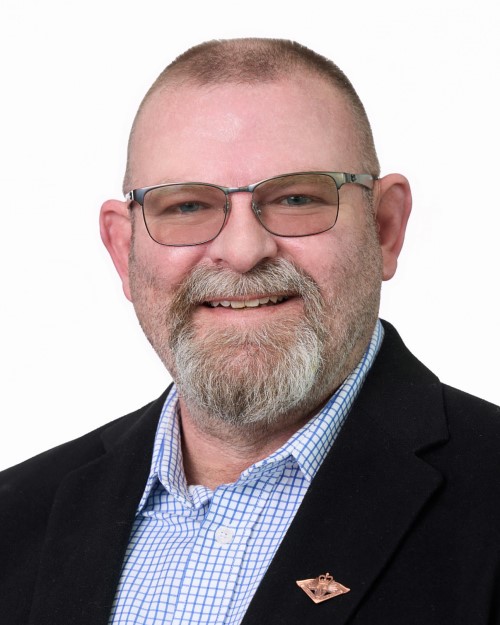
Associate Professor Jon Lane
Chief Psychiatrist
Department of Veterans’ Affairs
The most studied psychedelics used as mental health treatment are methylenedioxymethamphetamine (MDMA) and psilocybin. MDMA can be used to treat post-traumatic stress disorder (PTSD), and psilocybin for treatment-resistant major depressive disorder (MDD). While there are street versions of these drugs, special pharmacy-grade versions of them are used.
PAP typically involves structured and intensive treatment that includes preparation sessions, guided “dosing” sessions using of one of these 2 drugs that last for 8–10 hours, and follow up “integration sessions” to process the experience, typically over 6–8 weeks.
Research indicates that PAP may benefit some individuals who have tried other treatments but have not achieved good resolution of their symptoms. In 2023, this led to MDMA and psilocybin being authorised for use under specific circumstances by the Australian Therapeutic Goods Administration (TGA), which regulates the use of medications.
However, use of these drugs in Australia still has significant restrictions because they are very new and the research on their effectiveness is at an early stage. There is still little known about who will respond to treatment and how long it lasts if they do. It is known that some people should not use these drugs due to the risks involved, for example those with epilepsy or heart disease.
For other people, the risks and side effects are still being discovered. Research does show that you need to do psychotherapy with the drug – the drug alone doesn’t help. This is demonstrated through a long history of recreational use of these drugs, despite their risks.
Psychedelics are not a “silver bullet” as the treatment is hard work and requires intensive, individual, emotional and personal development skills. This is why it takes weeks to complete the full treatment. PAP is not considered routine treatment for PTSD because, in addition to its novelty, it is usually provided in a special clinic rather than by a person’s usual treating team.
For all of these reasons, PAP is something that should only be considered for very severe, serious cases where people are not getting better after all the usual treatments, those with good evidence of benefit, have been tried. For PTSD, these treatments include trauma-focused talking therapies like Eye Movement Desensitisation Reprocessing (EMDR), prolonged exposure therapy, and trauma-focused cognitive processing therapy; along with medications and the basic psychological skills that support emotional regulation.
DVA Assistance
The criteria for DVA to fund PAP are quite specific:
- The treating doctor must follow TGA requirements – so they must be a psychiatrist who is specially trained and accredited for providing PAP. Psychologists can provide the psychotherapy part of the treatment, but they must also be accredited.
- Veterans must have ongoing severe symptoms after they have properly engaged in several usual treatments in the last 2 years.
- There must be 2 psychiatrists saying that this is an appropriate treatment for the veteran, including one who is the regular treating psychiatrist.
Meeting these criteria shows DVA that the veteran needs to try a new treatment and that they have a known treating team around them when the PAP is finished.
Finally, we are strongly encouraging veterans who receive this treatment to enrol in the Australian National University’s Australian Interventional Pharmacotherapy and Psychedelic Assisted Psychotherapy Research Registry. This registry collects deidentified information from patients, doctors and psychologists relating to how well PAP and ketamine treatments are working.
Participation in the registry is on an opt-in basis for anyone in Australia undergoing these types of treatment. The data will be used for various research studies in the future to look at how well they work, as well as their safety and cost effectiveness. Evidence of this type will be essential for ongoing funding of these treatments for veterans.
Veterans with hard-to-treat PTSD or depression are encouraged to talk to their doctors and other health professionals about what else they can do to improve their mental health.
DVA funds all required evidence-based medications and psychological talking therapies for all mental health conditions without needing there to be a link to service under Non-liability Health Care (mental health), available to holders of a Veteran Gold or White Card. This includes allied health treatment that supports mental health as part of a mental health treatment plan. Assistance with sleep, establishing an exercise routine or improving your diet can set a strong foundation for any additional mental health treatment.
All of this can start with talking to your GP, or the staff from Open Arms, who are available day and night, 365 days a year, on 1800 011 046.