Serving the nation across two schemes
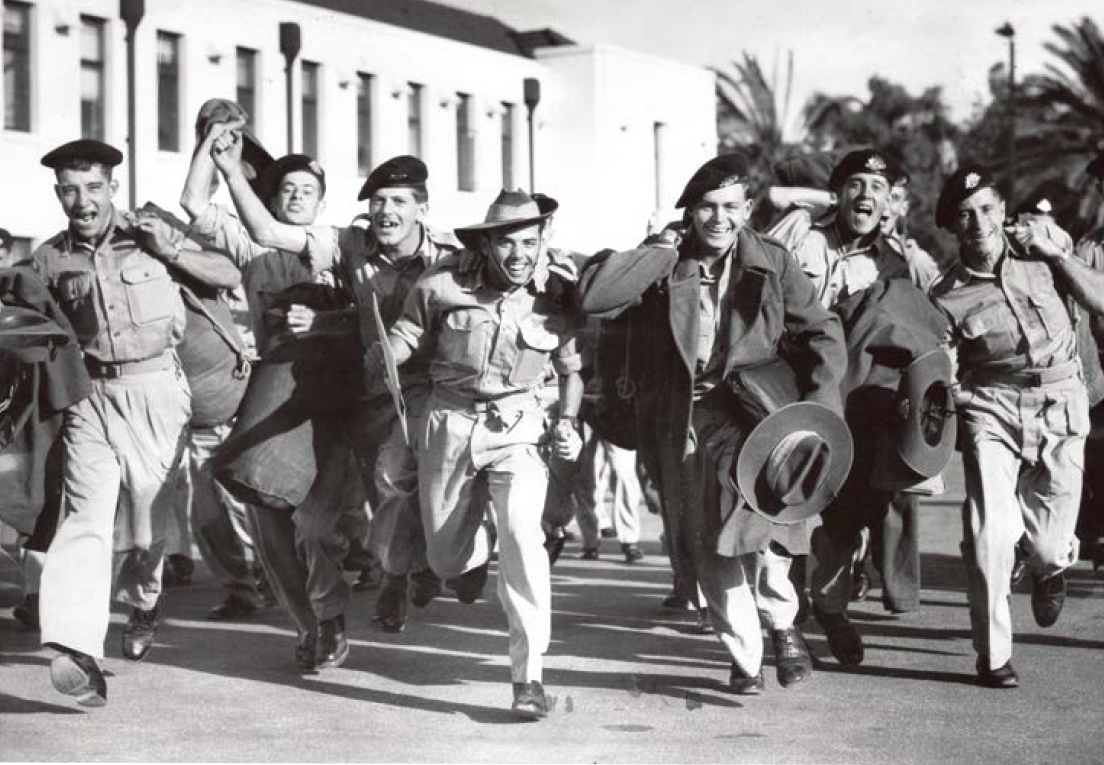
On National Servicemen’s Day, we remembered and honoured the contributions of all who served in the National Service Training Scheme (NSTS) which ran for 8 years from 1951 and the National Service Scheme (NSS) from 1965 to 1972.
Although there was a 6-year gap between the schemes, and significant differences between them, both the NSTS and NSS were conscription schemes that required large numbers of young men to undertake compulsory military service.
National Service was a key part of Australia’s defence strategy during the Cold War period to increase defence manpower. It allowed Australia’s armed services, particularly the Army, to expand, providing the personnel for domestic and overseas defence commitments.
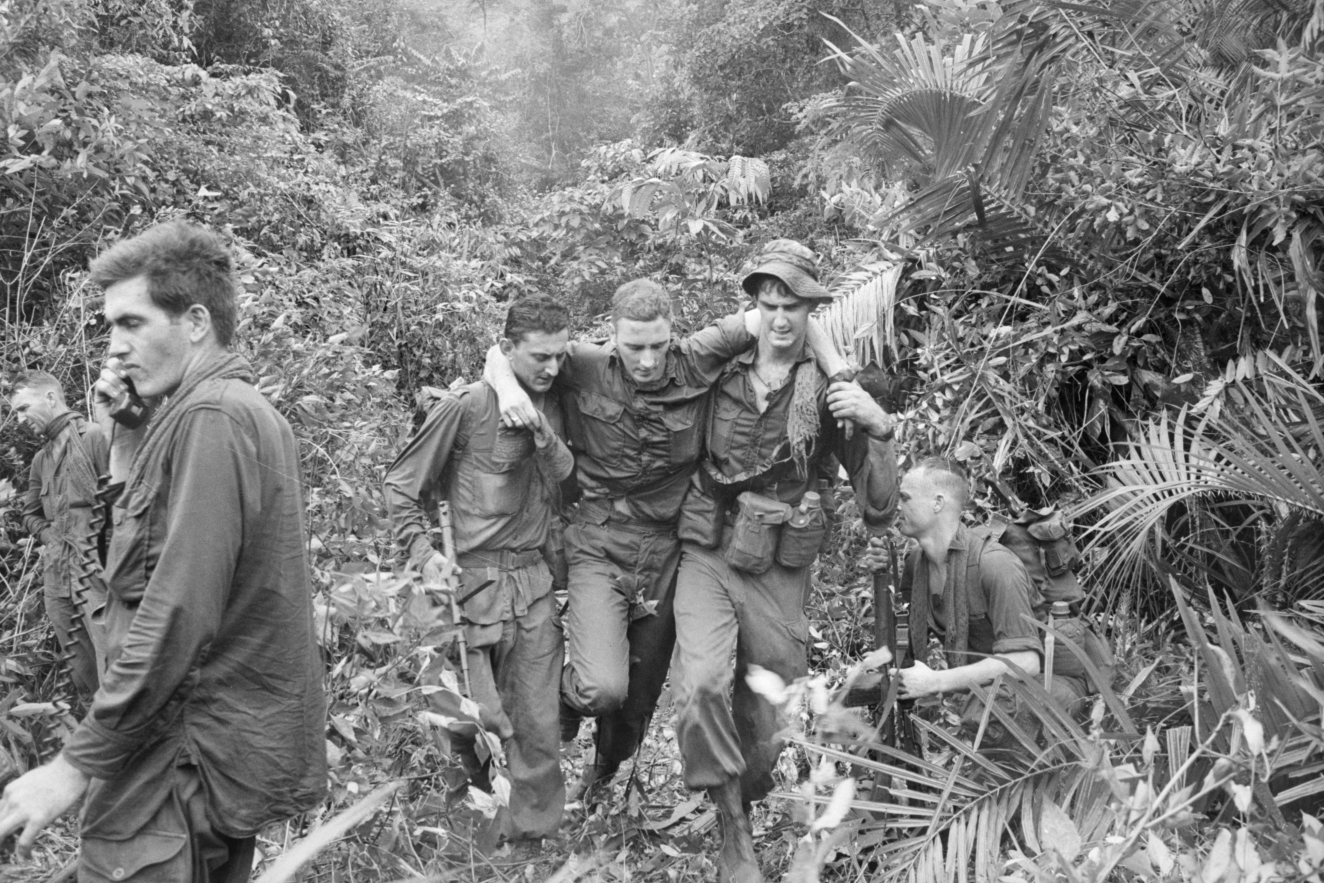
National Servicemen, affectionately known as ‘Nashos’, were an integral part of our armed forces during the 1950s, 60s and 70s. They served in Australia and during the NSS some also served overseas, in Borneo, Malaysia, Papua New Guinea and Vietnam.
With little warning, Nashos put their lives on hold during their compulsory service. Compulsory military service was a major interruption to their young lives, one over which they had no control. For many this was their first time being separated from their family and friends, often far from home.
Bob Pillifeant, a veteran of the NSTS, recounts that ‘the greatest challenge throughout my time as a Nasho was the complete change of my then comfortable lifestyle and to have to conform and take and obey all orders given. From all of this training and conforming I became an entirely different teenager…my outlook on life had changed for the better in many different ways…’
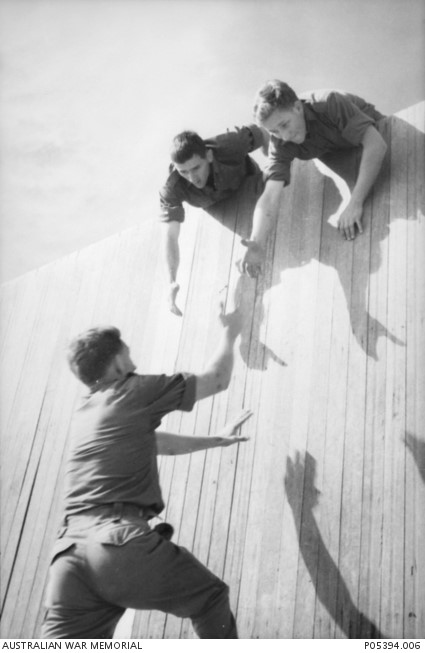
The training and service was not always easy, and that returning to civilian life could be challenging. They underwent gruelling training, which particularly for the men of the 1965–72 scheme was long and often at odds with their regular lives. And the length of service made returning to civilian life even more challenging.
As Handrickos (Hank) Kreemers, a veteran of the NSS, recalls: ‘A naive country boy, now discharged soldier, husband and father had returned to civilian life with no job, no prospects, no house, very limited funds… All remnants of a previous life now a memory.’
Regardless of whether service was voluntary or conscripted, in Australia or overseas, everyone who has served a day in our nation’s uniform is a veteran who deserves to be commemorated. Whether their service took them abroad or kept them within Australia, each and every National Serviceman played a vital role in shaping Australia’s defence force. Their commitment and sacrifices deserve our deepest respect.
We pay tribute to the unique experiences faced by National Servicemen and honour them all.