From the Minister
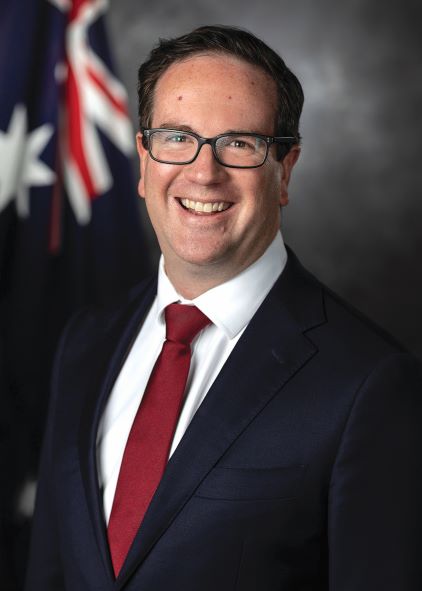
The Hon Matt Keogh MP
Minister for Veterans’ Affairs and Minister for Defence Personnel
Across the country in cities, suburbs and small towns, as well as in places overseas, we will wake before dawn to remember all those who have put on the uniform in service of our nation at Anzac Day dawn services, marches and school commemoration ceremonies.
Across the country in cities, suburbs and small towns, as well as in places overseas, we will wake before dawn to remember all those who have put on the uniform in service of our nation at Anzac Day dawn services, marches and school commemoration ceremonies.
We will acknowledge and thank the members of the ADF, past and present, who have put their lives on the line for our country, as we reflect on these increasingly fraught global times.
As we do so, I look forward to the next few months as we build a modern, trusted system that better supports your wellbeing on behalf of a grateful nation.
A system where veterans can access the right care at the right time. Where treatment, rehabilitation and compensation and other broader supports work together to deliver better overall wellbeing outcomes, and that reflect what veterans and families of veterans need at every stage of life.
From July, veterans and families of veterans will see transformative changes to the way they are supported. The new single pathway compensation claims system will make accessing support quicker, clearer and simpler. All new claims will be dealt with by a single piece of legislation, not the current mish-mash of 3 separate laws.
That is a big deal for the entire veteran community.
The complexity of the current system is a contributor to veteran suicide, according to the Royal Commission into Defence and Veteran Suicide.
We received interim findings from the Royal Commission soon after coming into Government in 2022, with the key recommendation being to simplify and harmonise the compensation claims system. We immediately began work with the sector to respond to that finding.
The changes that will come in from July are the result of extensive consultation to ensure veterans and their families are better supported.
On behalf of the thousands of people who will benefit, I thank everyone involved in bringing the new system into being.
The new, enhanced Military Rehabilitation & Compensation Act 2004 (MRCA) means a system where it is easier for veterans to understand, easier to support veterans and families making claims, and faster for DVA to process claims.
It harmonises the rules, standardises certain payments and enhances some entitlements.
To any veteran considering lodging a claim after 1 July, I strongly encourage you to familiarise yourselves with the detail of these changes on the pages of this newspaper. I encourage family members to do the same, because the Royal Commission laid bare the complex nature of military service on your lives too. It showed us that service leaves marks that are not always visible, such as mental health challenges, transition difficulties, isolation and intergenerational effects.
One clear theme was the need for better, earlier, and broader support for veterans and families of veterans – support that recognises veterans as capable contributors to their families, their communities and the nation, and that helps them to continue serving in new ways after military service.
That is why we are investing $739 million into improved medical treatment and rehabilitation for veterans.
Consistent with the findings of the Royal Commission, DVA will now have a greater focus on early intervention and prevention, working closely with Defence to identify risks earlier and act sooner.
Modern clinical evidence shows early access to the right care can have a hugely positive impact on wellbeing, reducing long term impairment and chronic illness while improving daily functioning and mental health. We want to reduce the impact of injuries veterans may have received, leading to better overall wellbeing outcomes and quality of life.
The linchpin of this approach will be the new Veteran and Family Wellbeing Agency, which will provide a more connected system of support for ADF personnel, veterans and families. The new agency will also be up and running from 1 July, supported by $78 million in funding from the Government, with a focus on supporting positive transitions so veterans can connect and contribute to the community and thrive post service.
Importantly, the new agency will have a remit for complex case management, encompassing service coordination and referral to services for at-risk veterans and families of veterans to make sure no one falls through the gaps. The agency will connect veterans and families to service and support nationwide, working closely with the Veterans’ and Families’ Hub network to provide access to wellbeing services close to home.
The new agency comes into existence following consultation and co‑design with veterans, families, ex‑service organisations and service providers, and implements a further Royal Commission recommendation.
We welcome continued feedback as the new agency takes shape, so that we can ensure that all our serving personnel, veterans and families can be safe in the knowledge that whatever may befall them during their service, they will be properly looked after, and their service acknowledged, respected and commemorated by a grateful nation.