From Army to Aspen Medical
How an aeronautical engineer established one of world’s biggest health services companies and brought the Invictus Games to Australia.
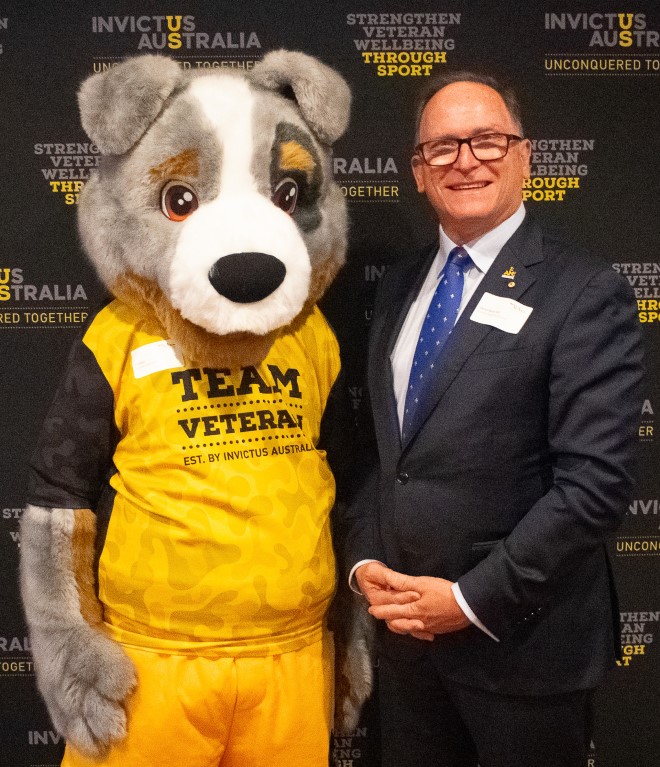
Thirty odd years ago, Glenn Keys AO was happily test-flying Army aircraft. Today, the respected corporate philanthropist runs Aspen Medical – a multinational with 6,500 staff across 25 countries.
How did he get from A (Army) to B (business)?
‘I loved that the military trained you for, and then gave you, the opportunities to exercise leadership and decision making,’ says Glenn. ‘I’ll never forget what one of my early Army bosses said to me: “I expect to you to run as hard as you can – and to make mistakes. The only guidance I give you is: don’t make the same mistake twice".'
Military service runs strong in the Keys family: his father served in the Air Force, an uncle was a Rat of Tobruk, another was a pilot in a Spitfire squadron. Glenn’s great-grandfather volunteered for the Light Horse – twice – in the First World War. ‘The concepts of service and of support to others have been inculcated in me for my entire life,’ he says.
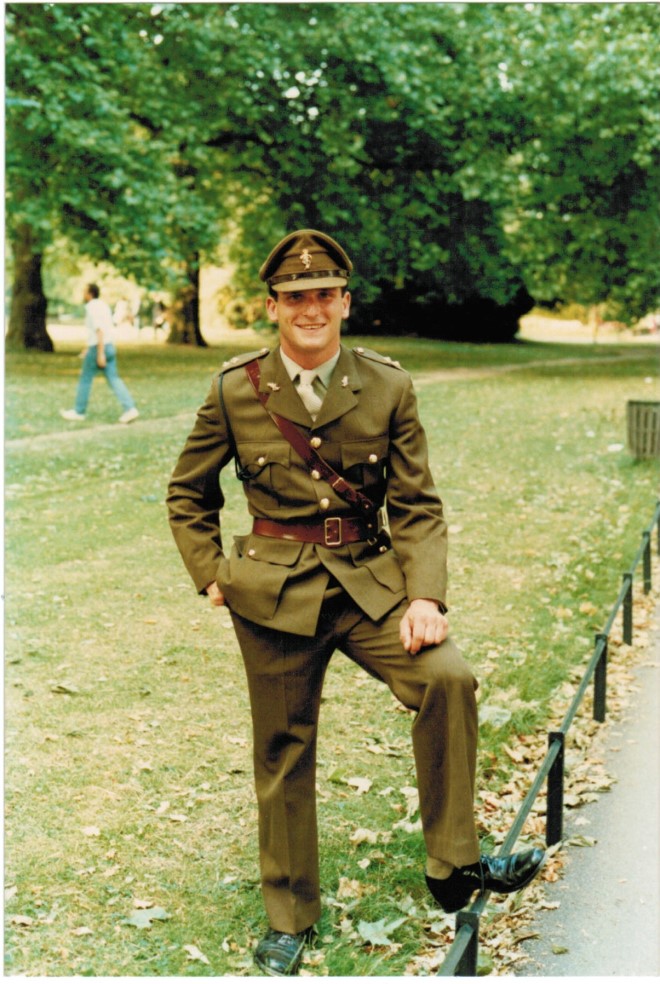
Glenn himself completed a degree in mechanical engineering while undertaking officer training at Duntroon and eventually went on to became Acting Chief Engineer for Australian Army aircraft. When the Army began to acquire and operate its own aircraft, particularly helicopters, he was offered the opportunity to become its first Flight Test Engineer, following training at the International Test Pilots School in the UK.
‘I loved being in the Army,’ Glenn recalls. ‘As a young Captain, I was looking after 25 aircraft around Australia, with all the staff, equipment and logistics that entails – it was just brilliant.’
But a time came when the needs of his second child, Ehren, who was born with Down syndrome, were not compatible with the transient military life. ‘I married my wife, not the Army,’ Glenn states emphatically. ‘Both she and my son needed me. I loved the camaraderie, the mess… but I had to put my family above all that.’
After working for a start-up for several years, he approached a doctor friend with the idea of contracting for the UK National Health Service. ‘He said to me: “Glenn, I don’t know anything about people management, projects and logistics – if you do all of that stuff, I’ll do the medical bit”. That’s how Aspen Medical started, 23 years ago, in my dining room in Canberra.’
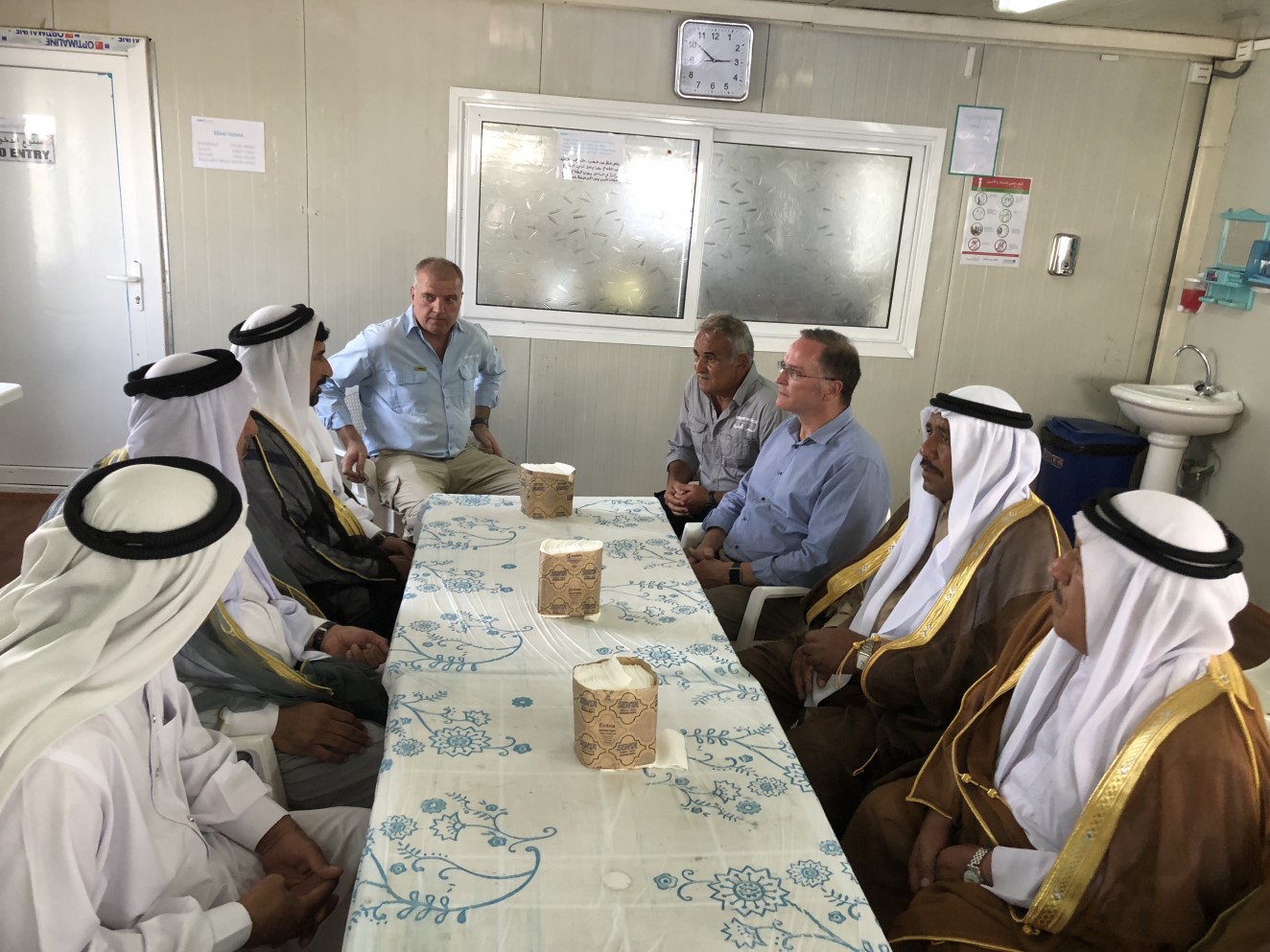
Aspen Medical is now a Veteran Employer of Choice, the highest level under DVA’s Veteran Employment Commitment. Its first major contract was as the health provider for the Regional Assistance Mission in the Solomon Islands (RAMSI). It has since cared for Australian troops in East Timor, fought Ebola in Africa, and provided medical support to the evacuation of refugees from Afghanistan, among many other projects.
For Glenn, the business is about taking care of people, which has remained the driving force behind all he does. Inspired by the resilience of his son Ehren, in 2012 he founded Project Independence, a charity established on the principle that those with an intellectual disability should be able to buy their own home. ‘We believe it’s the first of it’s kind in Australia, maybe the world,’ Glenn explains, with justifiable pride in a scheme that has built 30 homes in Canberra, and more to come around Australia.
Supporting his fellow veterans is among Glenn’s other passions. When Australia considered hosting Prince Harry’s Invictus Games, he was approached to be one of its 2 founding directors. The Invictus Australia Steering Committee then put together the successful bid to host the Invictus Games in Sydney in 2018. Recently Invictus Australia, under Glenn’s leadership, announced an intention to bring the Games back down under, in 2031, building on this legacy and success.
Last year, Invictus Australia engaged almost 10,000 veterans and family members in sport – and almost 30,000 since the Sydney Invictus Games. ‘One of the unique things we do is that we engage with sporting organisations which invite veterans into their broader family,’ Glenn explains, ‘so you’re also getting the benefits of re-integration with community, as well as the education of community.'
In recognition of this achievement, last year Glenn was the first non-European to be appointed to the board of the global Invictus Games Foundation: ‘It’s an incredible honour. We have a critical methodology for helping veterans and families recover from trauma, as well as proactively preventing physical and mental health challenges that come with transition and service – and sound evidence-based research to support that.’
Glenn credits the skillset he gained in the ADF as the foundation for his success. ‘No-one ever asks me about the jobs we said “No” to,’ he reflects. ‘The skills we get in Defence are often grossly undervalued by the non-military community – people management, logistics management, coordination, problem solving, delegation. I think Aspen Medical is very good at risk management, and a huge amount of that comes from our skills, training and expertise in Defence.’