Summer is coming
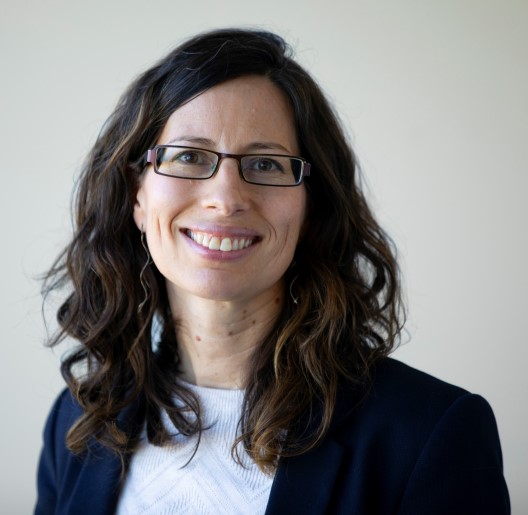
Dr Anna Colwell
Deputy Chief Health Officer
Department of Veterans’ Affairs
The sun is shining, the cicadas are singing, the roads are melting. What a great time to get the frisbee out, the hammock set up – and review our sun safe routines!
Australia is the unfortunate winner of the ‘Most Skin Cancer in the World Award’. On peak UV days you can burn in less than 10 minutes – less for babies. You can also burn on days where it is overcast – wind burn is actually sunburn – always be aware of the day’s UV forecast, which can be found on most weather apps.
Even without burning, the time that we spend in the sun also adds up to sun damaged skin, making us look older and develop more skin cancers.
There are 3 main types of skin cancer, named after the types of cell that start growing out of control. Basal Cell Carcinomas (BCCs) are most common. They generally grow slowly and stay local but can grow deep into bone and nerves. Squamous cell carcinomas (SCCs) are the next most common. They can rapidly spread to other parts of the body.
All of the different types are easiest to treat if they are picked up early. They can spread through the body or grow deep. Melanomas can start in an existing spot or be a new one.
Veterans have often spent a lot of time in the sun. But it is not too late to be sun smart!
Slip on clothing
There are all sorts of comfy, UV-rated, quick drying clothing items available now. Find something that suits your style and wear it!
The most common places to get a skin cancer are on faces, necks, and arms – because they get the most sun.
Slop on sunscreen
Keep trying until you find a brand that feels nice on your skin – you will be more likely to use it. Applying 20 minutes before going outside is best.
You probably need a lot more than you think – a teaspoonful for each arm, leg, front, back and head/neck – 7 in total if you don’t have a shirt on. If you think “my sunscreen doesn’t work very well” you might not be using enough.
Remember to reapply, it won’t last all day. Most need to be reapplied with time or after a swim or sweat.
Slap on a hat
Generally, the bigger the better when it comes to hats and sun protection.
Shade your face and neck and stop skin cancers on your scalp – this doesn’t just happen to bald people!
Seek some shade
Particularly during the highest UV times of the day, find or bring some shade. Trees, umbrellas, buildings. Remember to consider reflections from nearby concrete or water that reach your shady place.
Slide on some sunglasses
Protecting your eyes stops cataracts, where the clear lens in your eye goes cloudy. It also prevents skin cancers around the eye, which are a bit trickier to treat.
"Instant secret agent" or Elton John vibes, whatever you prefer, slide them on.
Get your skin checked
If you haven’t had a full body skin check in a while (or ever) talk to your doctor. They can advise how often you need one after that – it depends on your family history, colouring, sun exposure and other medical conditions.
If you ever notice a spot or patch on your skin that looks weird, grows fast, bleeds easily, is scaly, new or changing, get it checked as soon as you can. Remember, early treatment is better.
DVA support
If you do develop a malignant skin cancer, some DVA clients are eligible for treatment under Non-Liability Health Care (NLHC) for cancer, subject to meeting eligibility criteria. Veterans can claim for NLHC cancer treatment via MyService or by completing form D9215.
Non-Liability Health Care covers things like getting the cancer cut out, medicine you may apply to your skin and, once you’ve had a cancer, those regular ongoing skin checks. Veterans without eligibility for NLHC cancer treatment may still lodge a liability claim to see if the condition relates to their service. Skin cancers are commonly accepted conditions and are usually subject to simplified assessment. You may also be able to claim some out-of-pocket expenses: Search for ‘Medical Expenses Privately Incurred’ on the DVA website for more information.