My story, and my plan
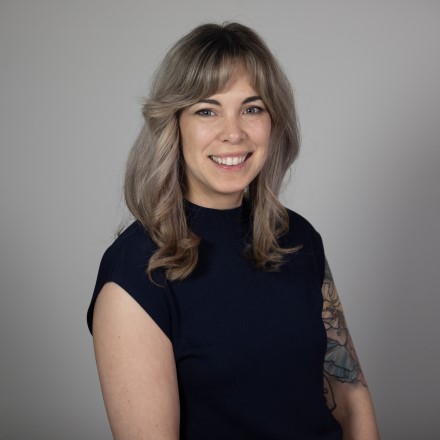
Commissioner Annabelle Wilson
Veteran Family Commissioner
Mine is a family that slips through the cracks, so I’m passionate about creating systems that truly support our people.
I can still close my eyes and picture the first time I saw Flight Lieutenant Joshua Chalmers. It was at a party on the Airforce base in Williamtown, Newcastle.
He was loyal, trustworthy, magnetic and kind: the epitome of what the military aims to produce.
On Anzac Day in 2008, at the age of 22, Josh returned from an 8-month deployment to Afghanistan. Less than 2 months later, he was diagnosed with an aggressive brain tumour and given 18 months to live – if he was lucky. Josh and I had 10 magnificent years together, and he passed away at 10.03 pm on Saturday the 25th of November 2017. Two and a half months later, on the 13th of February, our little baby girl Primrose was born. She shares a birthday with her Dad.
As is often the case with the family, once my veteran was gone, I felt like I was cut off, and forgotten. I was left to try and navigate the “claims machine” by myself, and I am an example of a family that, to this day, still slips through the cracks and receives no DVA support. I was 29, alone, and with a newborn baby. I couldn’t understand why nobody would help me. I became lost and suicidal thoughts began to slip in. I stopped eating. I stopped sleeping. I was traumatised, and I was scared.
Then, two things happened. First, a friend brought me along to our local RSL sub-branch – a little single-fronted Victorian terrace in East Melbourne – and I had a quiet beer with the boys there, who welcomed me like a sister. And second, another friend, who also happened to be a Legatee, introduced me to Legacy.
What has resulted is 8 years of me volunteering and working across the ex-service space, helping families just like mine, because there is so much to do. I have had a career built on advocacy, lobbying and policy influence at every level of government, for multiple causes – and I saw that these skills were needed in the veteran family space.
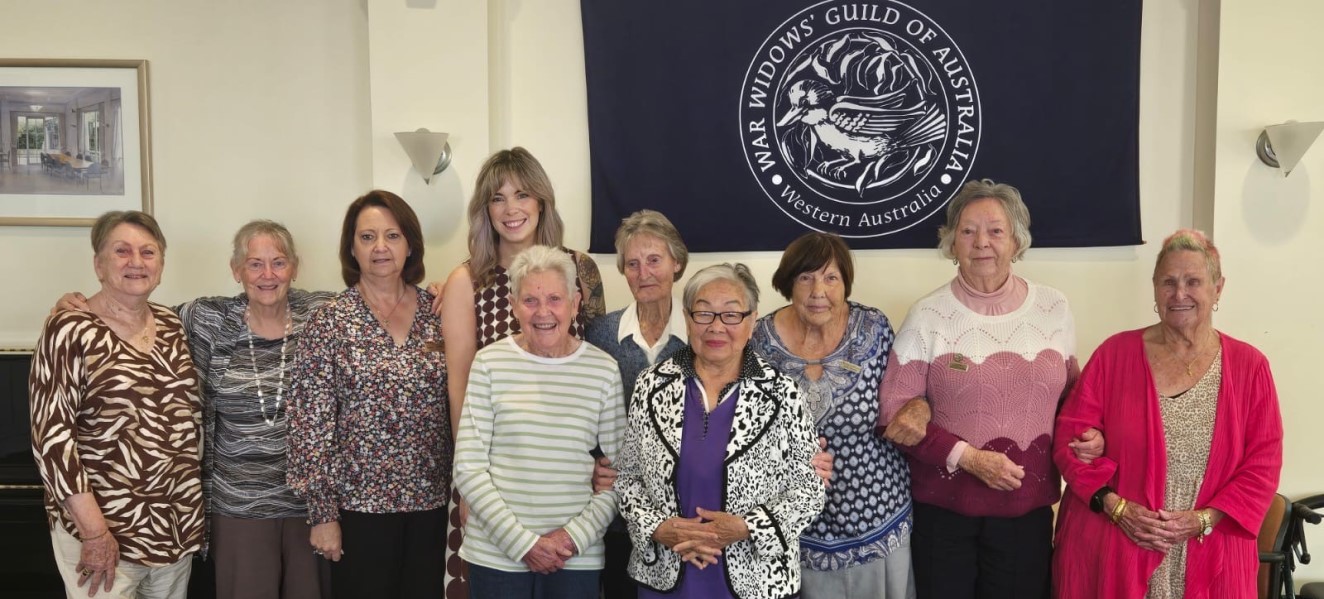
I have held positions on several boards and committees, including in my local RSL sub-branch and the Institute of Veterans' Advocacy. For the last 4 years, I have worked at Melbourne Legacy, most recently as the Chief Operating Officer. I’m very proud of the service delivery model I had a hand in building there, including securing the long-term funding needed for the ongoing stability for this service, which supported more than 4,000 families. This was funding that I had to find in the philanthropic space, as there was nothing within government and DVA to support this type of work.
During my time in this community, I have seen many other families around me who are slipping through the cracks too. Many have been through things that I will never experience. Many have been through things worse than what I have experienced. Their voices deserve to be heard and represented.
The Veteran Family Commissioner serves as the bridge between lived experience and government policy: And this is why I took the job. I’m passionate about creating systems that truly support our people – removing barriers, influencing systemic change, and hopefully, leaving this community a little better than I found it.
I came into this role with a very clear idea of what I wanted to address, and it was very validating for me to be able to verify that I was on the right track at the 2025 Veteran Families Forum, which was held in my first few weeks in the job. I’ve wrapped all these issues up into the following 4 key areas, which form the basis of my Strategic Plan, outlining what I wish to achieve for Australia’s veteran community in my tenure as the Veteran Family Commissioner.
- Equity of Eligibility and Access: which involves getting us all in the tent. Presumptive liability will support more families to access supports, and an understanding of ex-partners, carers and diverse family structures will make sure the Department is meaningfully recognising and reaching the community that we know exists.
- Clarity and Improvement of DVA Services and Supports for Families: which will mean that the programs and supports for families are fit-for-purpose and continuously improve.
- Enhancement of ESO Partnerships and Supports: which is about discovering how the Department can better support our ESO community to be sustainable and safe.
- Build Life Foundations and Cultivate Belonging: which includes postvention support, training and education for families, and support to rebuild and move forward with their lives.
I see this as a “living plan” – one that I will test and adjust as I go. I have a commitment to get out and about as much as I can. The engagement part of this job is incredibly important to me, because not only are the families in this community my peers, but I want to continue to be as informed as possible throughout my tenure. I want to hear the quiet voices. The ones we haven’t heard yet.
And so, as we round out 2025, and move into 2026 (and beyond) I say to the fellow beautiful families who also live alongside me within this community: Please speak up. By speaking up about your experiences, you’re showing the Department where the gaps are. We are a community of people who are constantly being told that we are the anomaly, but we are the majority. And use me and this role. I’m here to use this position to help support you to understand what the barriers are, and support you with advocating for change for you, and others just like you.
Here’s to change. On we march.