Strategies, frameworks and plans
Our strategies map our goals to deliver the best health and social services for you. Our action plans show the steps we'll take to meet those goals.
This policy outlines DVA’s procedures for managing behaviour that is not mutually respectful and provides an escalation pathway to enable DVA staff to continue to support our clients and their families

DVA’s Innovate Reconciliation Action Plan 2025-2027 outlines our commitment to reconciliation and how we will strengthen relationships, respect, opportunities and governance across our workplace, systems and services.
Managing regulation using best practice principles
The Suicide Prevention Framework 2025-2031 identifies the gaps and opportunities within the veteran support system to make the biggest impact on preventing veteran suicide, by focusing on three key elements of suicide prevention supports: Prevention, Intervention including Aftercare, and Postvention.
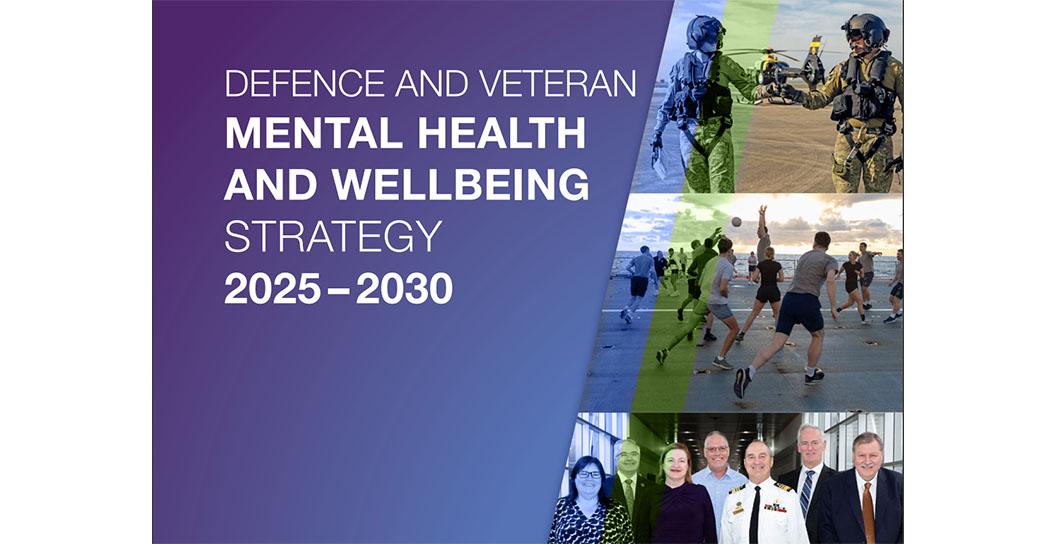
The Defence and Veteran Mental Health and Wellbeing Strategy 2025-2030 (the Strategy) sets out a joint approach to improving mental health and wellbeing outcomes for the Defence and veteran community to 2030.
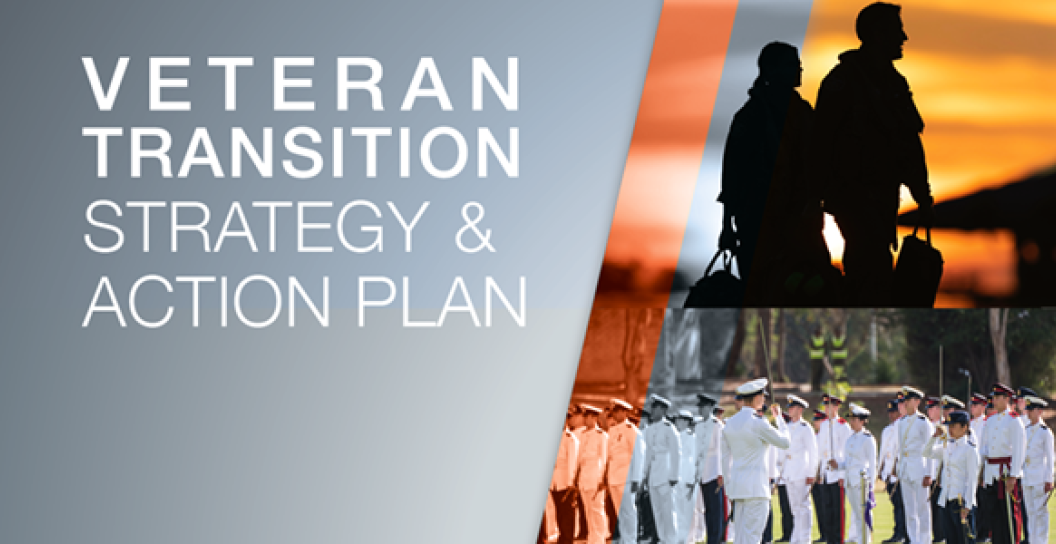
The Veteran Transition Action Plan aims to deliver tangible benefits for the veteran community, helping them plan, achieve their goals, maintain wellbeing, and feel valued by the nation they served.
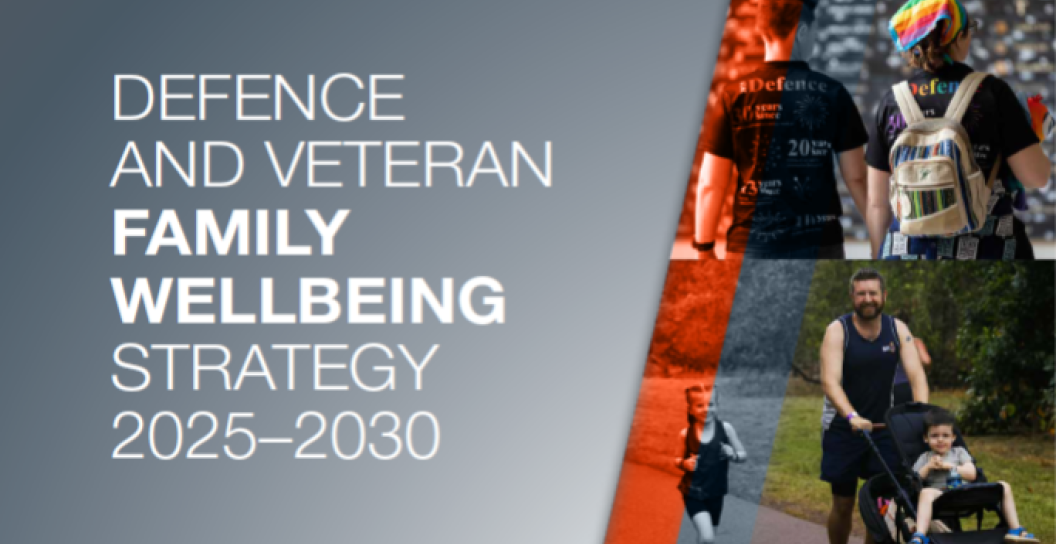
The Defence and Veteran Family Wellbeing Strategy 2025-2030 has been developed to recognise the pivotal role families play in supporting current and former serving Australian Defence Force members
The purpose of the Strategy is to promote a structured and consistent approach to engaging with the veteran community. Engagement is important as it allows us to make more informed decisions about how
The tailored DVA Gender Equity Action Plan 2022-2026 outlines DVA's commitment to further embedding gender equality and equity into all that we do through short, medium and long-term actions. DVA will
The Framework set out to minimise excessive or inefficient regulations.